Research
SpaceX's finances, and what holding SPCX would have done
SpaceX's revenue, profit, cash flow and debt from SEC filings, and what holding SPCX would have done in the past.
SpaceX (SPCX) was the number 6 US company by market value on 5 November 2026, at about $1.8 trillion, on the companiesmarketcap.com ranking. Its figures come from its SEC filings, read on 5 November 2026. A figure a filing lacks is marked as not reported.
What SpaceX sells
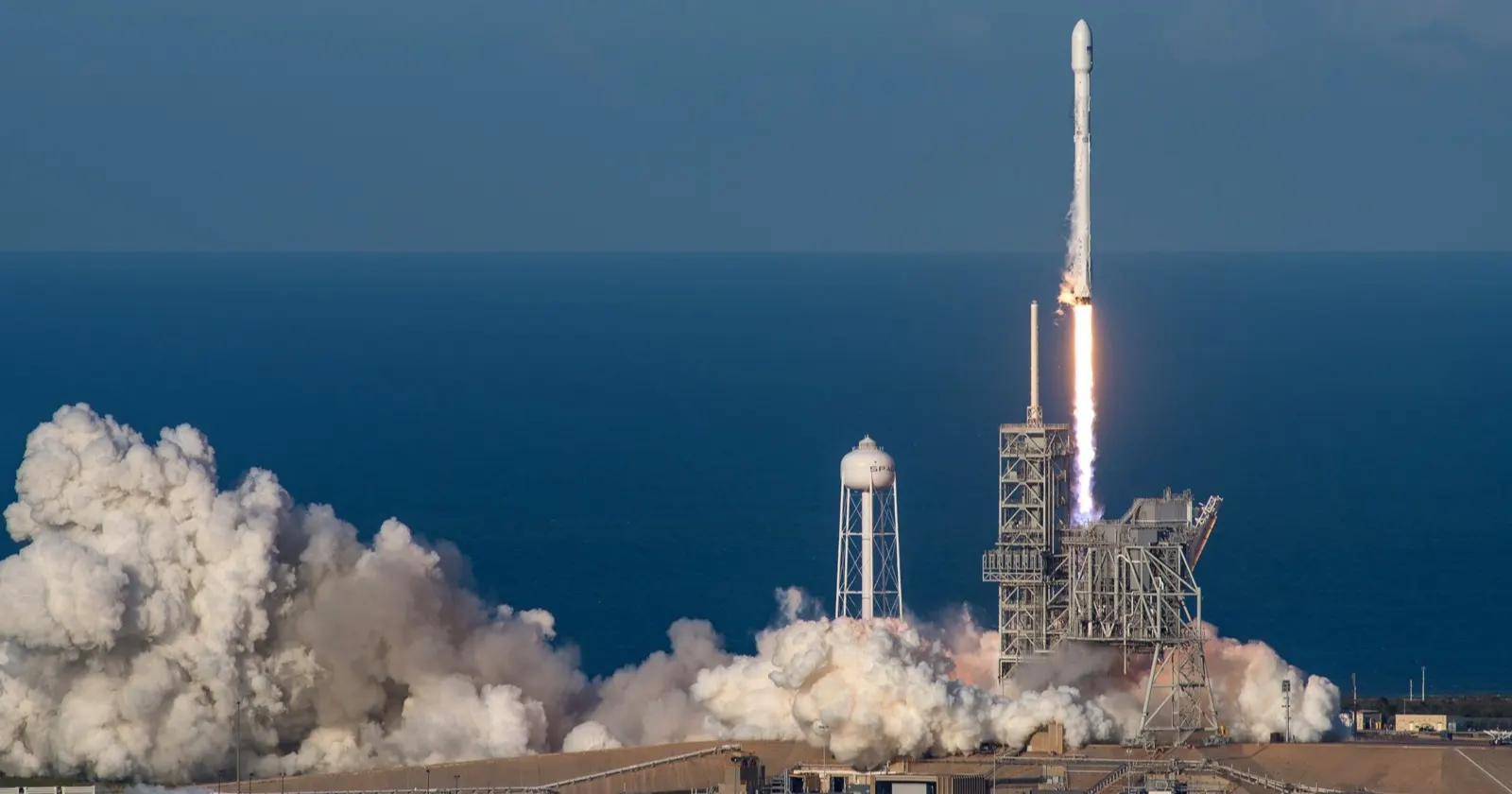
SpaceX builds and launches rockets, including the reusable Falcon 9, and runs Starlink, a satellite internet service. Its shares began trading in June 2026, so it has only a few months of public trading and has not yet filed a full-year report.
The finances
- Revenue: $27.1 billion in the nine months to 30 September 2026 (10-Q), up 97.5% from $13.7 billion in the same months a year earlier. Growth that quick is rare at this size.
- Net income: a loss of $0.4 billion in the nine months to 30 September 2026 (10-Q), against a loss of $2.6 billion a year earlier; net margin -1.5%. Costs were bigger than sales.
- Free cash flow: negative $35.0 billion in the nine months to 30 September 2026 (10-Q), which is $13.1 billion of operating cash flow minus $48.1 billion of capital spending. It spent more than its operations brought in.
- Cash and debt: $51.3 billion in cash and $37.9 billion of debt (10-Q, 30 September 2026). It held more cash than debt.
- Share count: not reported in this form.
One thing to notice: It is still spending far more on building than its operations bring in: $48.1 billion on equipment and buildings against $13.1 billion of operating cash flow in the nine months. It held $51.3 billion in cash at 30 September 2026, so the filing is the best guide to how long that cash lasts.
What holding it would have done
From our free long-term checker, which looks back only:
- Past returns, price only: no full year of history yet.
- Worst fall: -46.3%, from the close on 16 June 2026 to the low on 5 August 2026 (50 days). It had not got back to that high by 3 November 2026. SPY's worst fall was -34.1%.
- How often holding ended higher: the history is under a year, so there are no full windows to count.
- Monthly buying against a lump sum: needs at least a year of history, which this stock does not have yet.
Price only: no dividends, fees or tax. Daily closes, 12 June 2026 to 3 November 2026. SPY is an S&P 500 fund.
What this does and does not tell you
The finances say how the business did. The long test says how the share price did. They are different things, and neither says what comes next. A good business can still be a poor buy at a high price.
This is one company over one stretch of history: an in-sample look at the past, not a promise. It is general information, not a call to buy or sell SPCX, and it sets no price target.
More
The other 24 are in The 25 biggest US stocks. To check any other stock, use the long-term checker.
About Tickfloor
What is Tickfloor?
Tickfloor is a stock and crypto indicator for beginner and self-directed traders: it scores any stock or coin out of 10 from ten common chart checks, and publishes every backtest behind the method, the failed ones too. So far that is 1,342 strategies tested, and 0 passed the luck check.
Is Tickfloor free?
Yes, to start. You get 3 free scores a day with a free account. No card. The example read, the evidence and results pages, the glossary and the first two course lessons need no account at all. Paid passes unlock the rest and are listed on the pricing page.
How is Tickfloor different from other indicator sites?
Tickfloor shows its own test record next to the score, failures included: 1,342 strategies in 77 families against a benchmark that pays no costs. 265 finished ahead on the raw number and 0 of 1,774 tests were left once luck was allowed for. The score describes what a chart shows today. It is not a tip or a prediction.
Can I backtest my own strategy on Tickfloor?
Yes, with a pass. The Backtest Lab runs your own daily rule on historical data and shows every trade after costs, with a receipt you can share. Each run is labelled exploration: one look at the past, not a forecast.
General information, not personal advice. Tickfloor does not hold a financial services licence.